Carer training courses
Embracing Carers® collaborated with the Global Initiative on Ageing & Longevity to provide free training on critical skills for family carers. Learn more about our available 10 training modules and how they can support you on your journey.
About the courses
Caring is difficult. Anyone who has ever been a carer or knows a carer understands just how challenging it can be to juggle everything from wading through the onslaught of information to figuring out what to do and how to do it, all while trying to manage your own life and commitments.
At times, it’s seemingly impossible. Oftentimes, carers find themselves in a position of managing new and potentially stressful situations they may not be prepared for at all, mentally, physically, or financially.
But that’s not how it should be.
Carers deserve resources to help them navigate these complicated scenarios with confidence and know that they are not alone. That is why Embracing Carers® is collaborating with the Global Initiative on Ageing & Longevity (GIA), a foundation supported by the United Nations, to provide training on critical skills for carers.
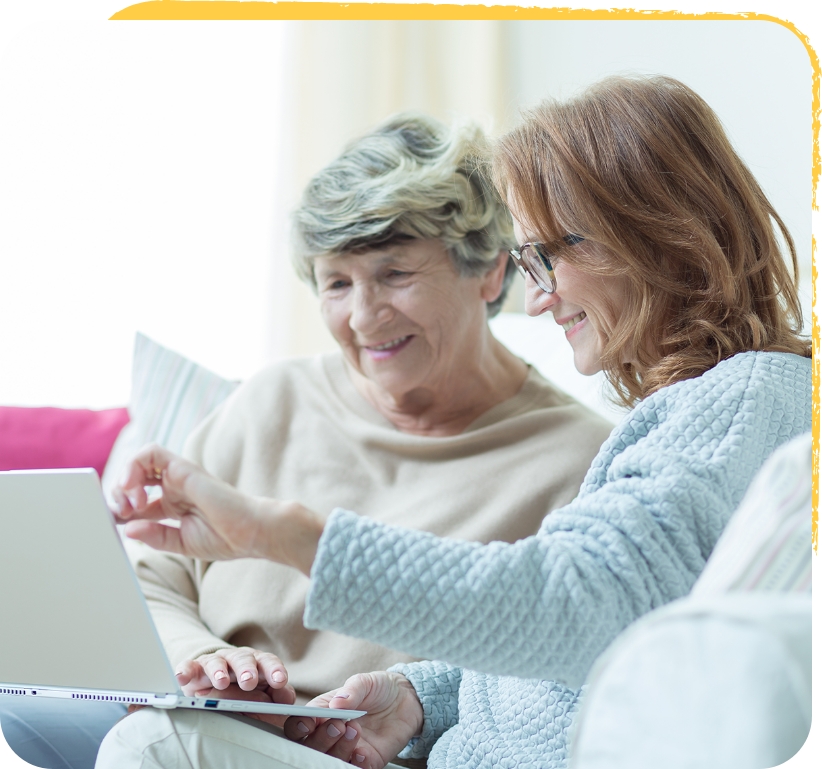
Carer Wellbeing Video Series
This series of short videos focuses on carer wellbeing, offering practical guidance on self-care, resilience, stress management, and maintaining health while caring for others.
The Art of Self-Care for Caregivers
Self-Care in Complex Contexts
Sustaining Caregiving without Burning Out
Inhabiting the Present with Meaning
The Carer Training Modules
This series of ten carer modules, with accompanying audiovisual components, provides professional instruction and guidance to help carers navigate difficult practical aspects of caring, including nutrition and feeding, communication, social relationships, environmental adaptation, and more. Upon completion, carers also have the option to obtain certification.

Feeding and nutrition techniques and commonly encountered issues
Topics covered: Techniques and safety measures for oral feeding; using nasogastric and gastronomy tubes; stool collection; disposing of waste; incontinence and use of catheters; hygiene management; understanding digestive problems that may arise.
Identifying communication and language problems
Conditions covered: Alzheimers, dementia, multiple sclerosis, cerebral palsy, autism, amyotrophic lateral sclerosis, hearing and visual impairments.
Assisting with motivation and learning for elderly, disabled, and/or ill people
Topics covered: approaches to learning; cognitive learning processes; techniques and therapies to help with learning and motivation; memory, attention, orientation, and reasoning.
Understanding and encouraging positive social relationships and behaviours in those requiring care
Topics covered: factors that impact dependency; social skills; social relationship difficulties and conflict resolution; techniques to promote social relationships; using technology for positive social engagement.

Adapting and creating safe and comfortable environments
Topics covered: difficulties stemming from loss of motor control, decreased mobility, sight, and other physical and mental changes.

Daily Household Management and Planning
Conditions covered: daily household tasks; home administration; routine building; organisation.
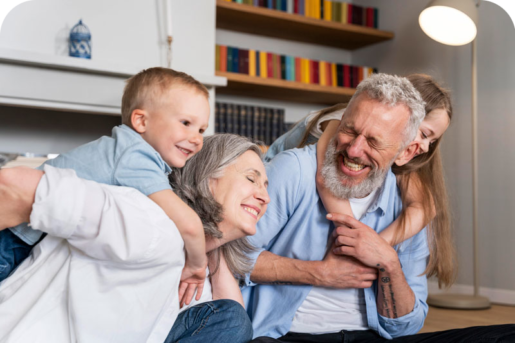
Supporting the development of positive habits and effective communication
Topics covered: fostering motivation and autonomy; building safe and comfortable home environments; developing social relationships; conflict resolution.
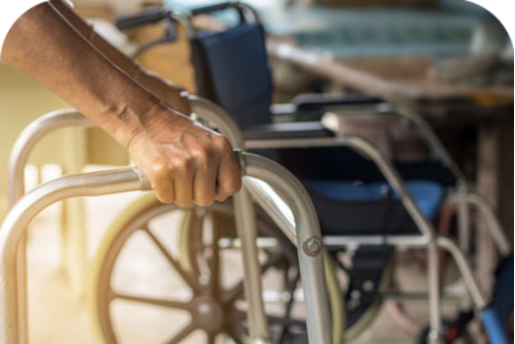
Applying proper mobilisation and ambulation techniques to improve daily living
Conditions covered: assessing degree of dependence; mobilisation and positioning techniques; mobility exercises; technical aids; safety measures; adapting home environments to foster autonomy.

Basic Budget Management Techniques and Food Preparation and Safety
Topics covered: budgeting; financial management and planning; food preparation and hygiene; maintaining sanitary conditions; kitchen fundamentals; foundations in nutrition; nutritional values; adapting nutrition to medical needs.

Understanding environmental risks and providing emergency support
Topics covered: emergency healthcare skills; risk assessment; safety proofing to create safer environments; accident prevention; electrical installations.
The GIA collaboration is intended to support the achievement of the United Nations Decade of Healthy Ageing and Sustainable Development Goals by improving the standard of living, participation, and inclusion of the world’s aging population.
All modules are available in English and Spanish and may be completed for certification through the Global Initiative on Ageing (GIA). The modules were developed by GIA with support from Merck KGaA, Darmstadt, Germany.