Advocacy in Action Across Europe
From national policy reform to grassroots community building, Merck’s European affiliates are translating the Embracing Carers® mission into tangible change for informal carers on the ground. Since 2017, we have supported over 60 European projects led by patient and carer organizations. We’re proud to spotlight four countries leading the way.
At Merck, our commitment to supporting carers never takes a break. Every day, millions of carers continue to show up for those who rely on their support — and so do we.
MERCK PORTUGAL
Building a national movement for informal carers
Merck Portugal launched the Movimento Cuidar dos Cuidadores Informais in 2020 — a national movement bringing together more than 40 patient organizations united by a shared mission: advancing the visibility, rights, and everyday wellbeing of informal carers across Portugal.
The movement organizes events, training sessions, and advocacy initiatives throughout the year to keep informal caregiving visible in the national public debate and to identify the support structures that still need to be built.
In 2025, Merck Portugal took a landmark step by signing a formal protocol with the Shared Services of the Ministry of Health (SPMS) to review and create publicly accessible content about informal carers, available to the entire Portuguese population through the national NHS portal. This initiative fosters institutional awareness of informal caregiving and sensitises medical professionals when engaging with patients and their families.
MERCK ITALY
A manifesto for the humanization of cancer care
Over the past several years, Merck Italy has convened with practitioners, patients, carers, and cross-sectoral stakeholders to advocate for a human, patient-centered approach in oncology. This collaborative effort culminated in the launch of the Manifesto for the Humanization of Care in Oncology in 2025 — a document co-signed by leading national patient organizations and oncology clinicians.
The manifesto affirms that cancer care must extend well beyond medical treatment to address the emotional, psychological, and social wellbeing of patients and those who care for them.
READ THE FULL MANIFESTO (ITALIAN)The Manifesto calls for shared commitment to improve quality of life for both patients and their carers — recognizing that caregiving in oncology settings demands its own dedicated rights, training infrastructure, and policy framework.
MERCK SPAIN
Evidence, education, and empowering carer communities
In Spain, Merck has pursued a dual track of work: generating rigorous evidence about the experiences of carers in oncology and investing in long-term education programs that give carers the tools to sustain themselves alongside those they care for.
In collaboration with universities and with the participation of hospitals, oncology experts, and patient organizations, Merck Spain produced the guide “Advancing Humanization in Oncology”. The research revealed a striking gap: 73% of carers reported lacking the information or resources necessary to offer effective support — underscoring the urgent need for dedicated carer training and recognition.
Meanwhile, the School for Family Members and Carers of People with Multiple Sclerosis continues to grow. Launched in 2020, the “Carer School” is aimed at family members and non-professional carers of people with multiple sclerosis, providing resource modules in neurology, hospital pharmacy, neuropsychology, nursing, and social care. A new module specifically dedicated to self-care for carers will be incorporated into upcoming editions, reflecting a growing recognition that supporting the supporter is central to quality care.
Merck Spain’s engagement with the carer community was recognized by FarmaIndustria’s Somos Pacientes Award for Best Patient Service Initiative in 2023.
MERCK HUNGARY
Putting caregivers on the map — Hungary’s first national Carers’ Day
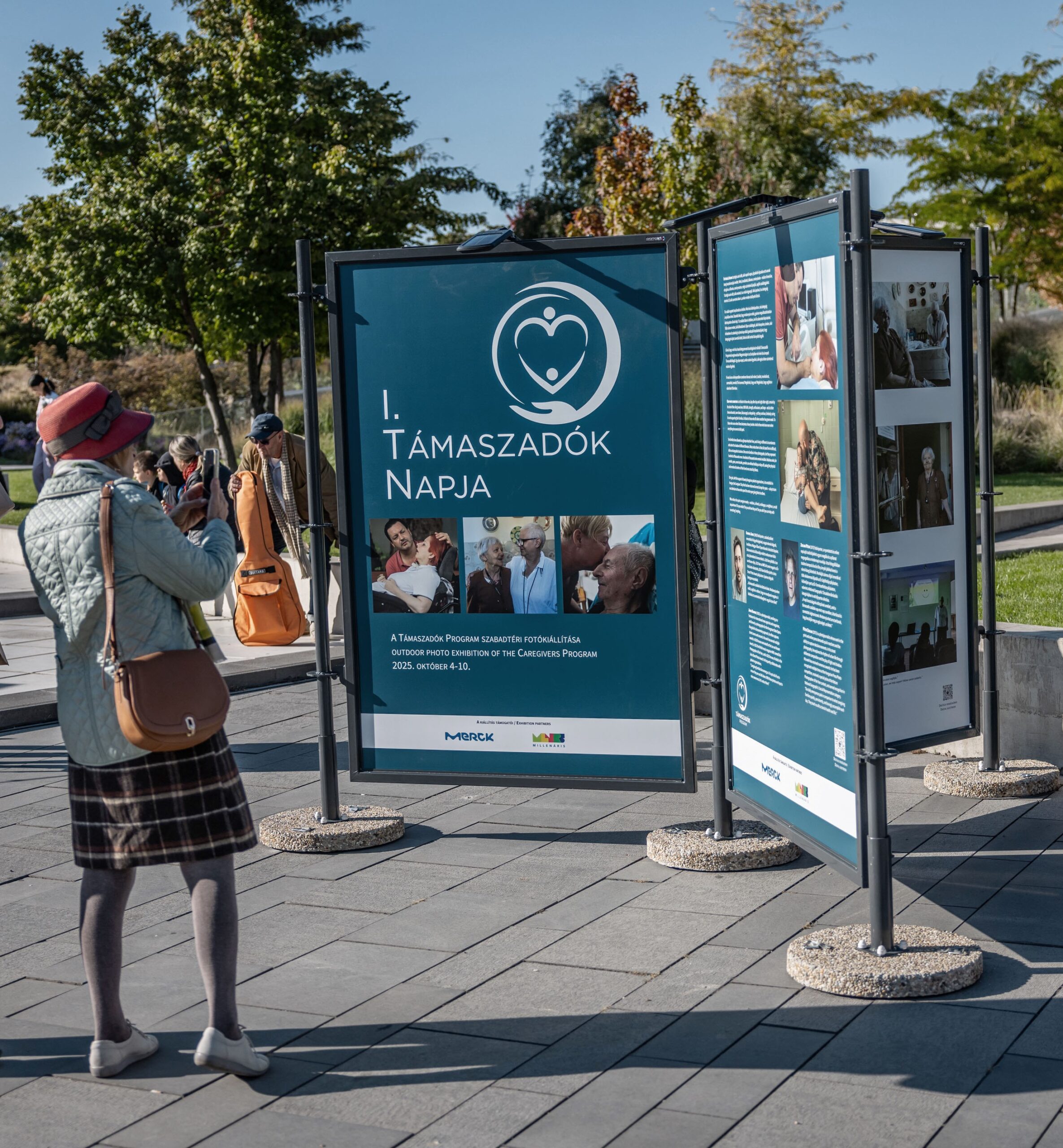
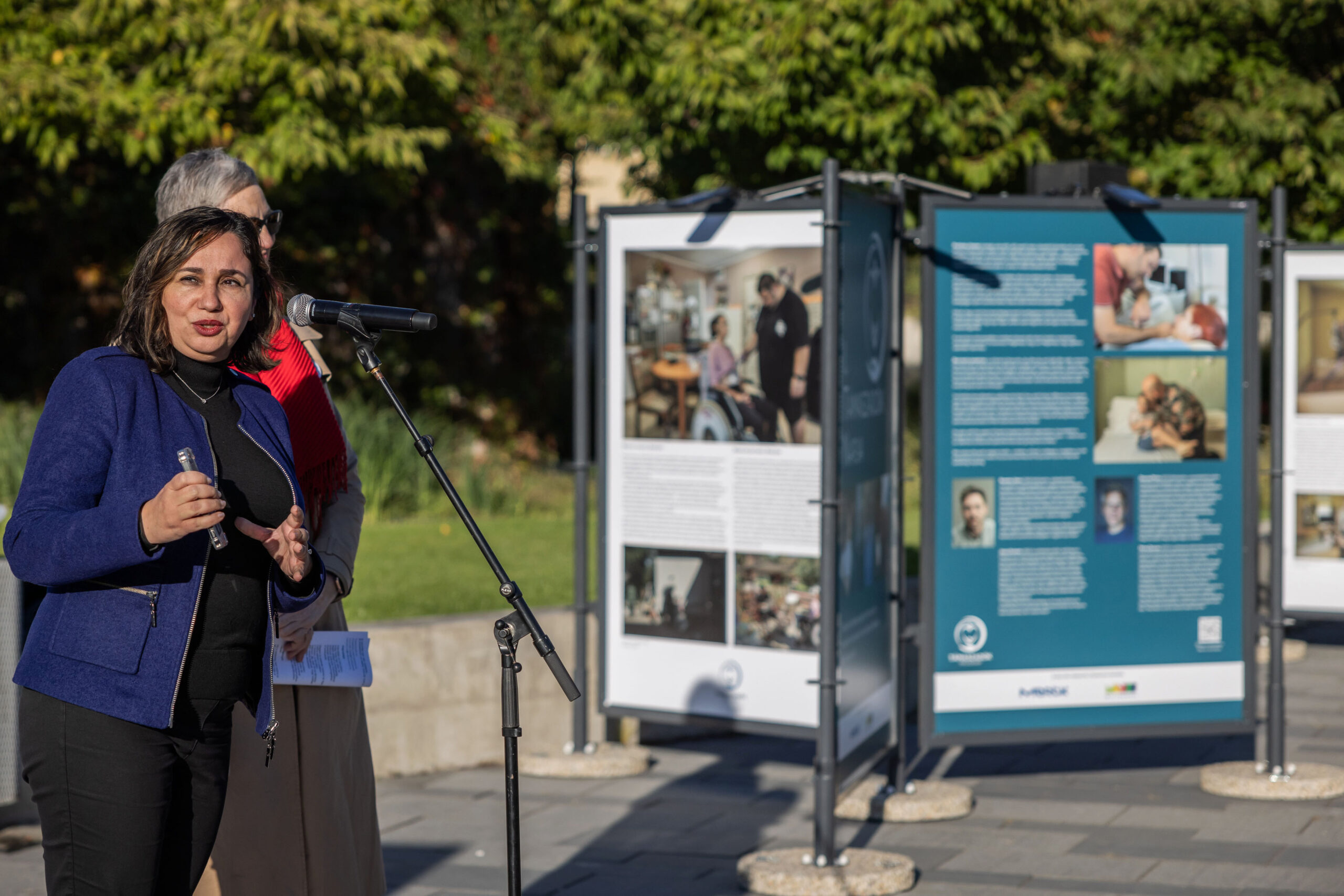
In October 2025, Merck Hungary marked a historic milestone by inaugurating Támaszadók Napja — Hungary’s first national Carers’ Day — taking European Carers’ Day as the moment to bring informal caregiving into the national spotlight for the first time.
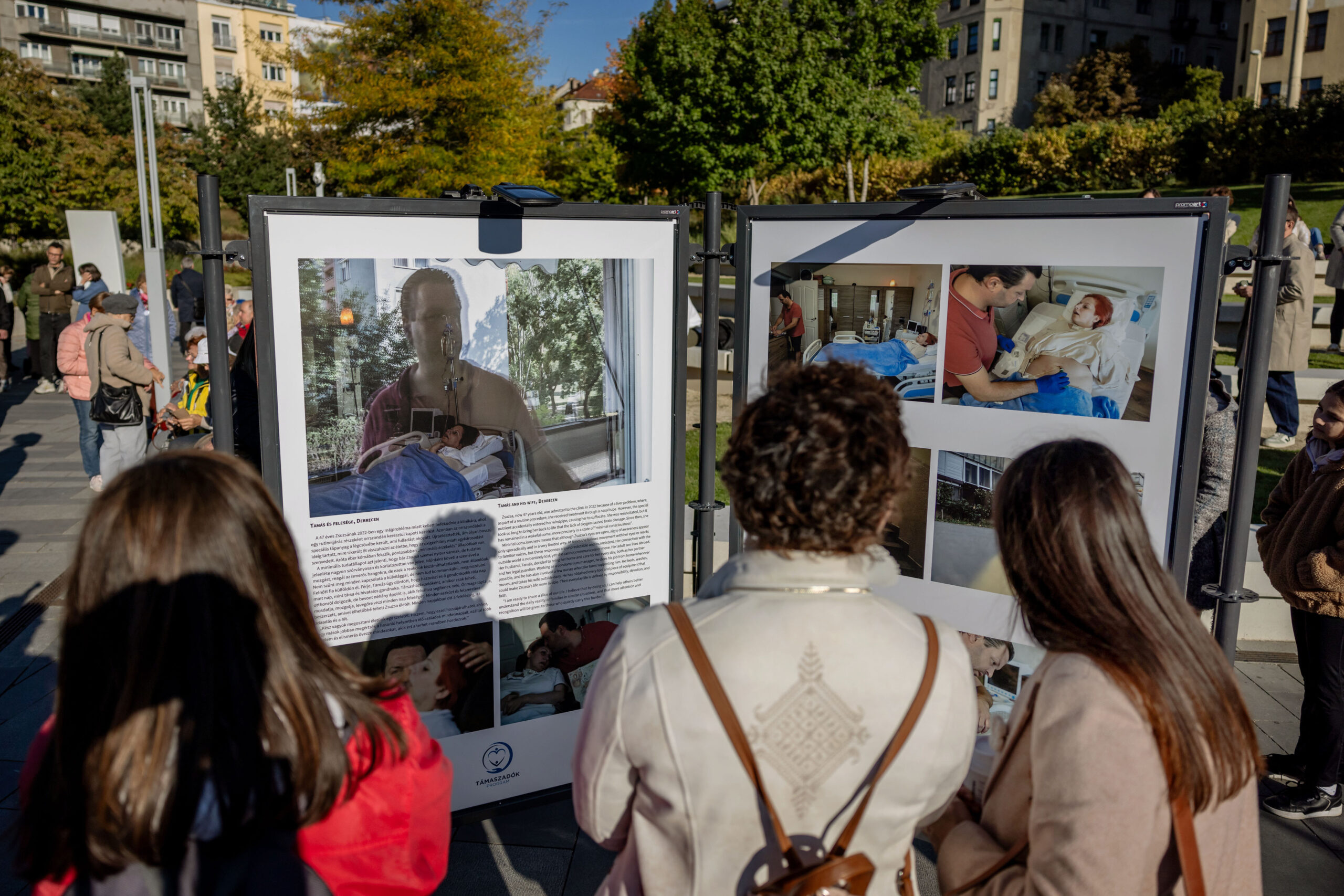
The centrepiece of the day was an open-air photo exhibition held at Budapest’s Millenáris Széllkapu Park, showcasing the everyday presence of caregivers: their challenges, their resilience, and the quiet, indispensable role they play in the lives of those they care for. The exhibition remains open beyond the event itself, with plans to travel to further venues across Hungary — extending the reach of the conversation well beyond a single day.
The initiative is rooted in the Támaszadók Program, which unites 20 national patient organisations in a shared commitment to building a supportive community for caregivers across the country. The programme reflects Merck Hungary’s belief that recognising and supporting caregivers is not incidental to good healthcare — it is central to it.
By establishing a national Carers’ Day, Hungary has officially joined the European Carers’ Day movement, coordinated by Eurocarers and representing 71 organisations across 25 countries.
Since the Carers’ Day, the Támaszadók Program continues with great momentum. The impactful open-air photo exhibition continued in another major Hungarian city, Szeged, with great interest from the local community. In addition, the Támaszadók Program received significant recognition at the 2026 Civil Díj (Civil Award) ceremony as a top 3 initiative in the “Best Cooperation” category.
Part of a growing tapestry of advocacy
These four spotlights represent a fraction of the work being advanced across Merck’s global network of affiliates. Together, local action and global momentum are building a future where every carer is seen, supported, and valued.